The Optus Glean promise: predictability
Three pillars. Three commitments. No exceptions.
Predictable cost. One fixed monthly fee, set against a defined scope and an annual indexed review. No variable hours. No surprise invoices. No padded callout charges. Budgeted once, paid by Direct Debit, reviewed once a year.
Predictable presence. The site is cleaned every day it is meant to be cleaned. A named primary cleaner is rostered to your contract, supported by a named relief who is already vetted, inducted, and trained on the same colour-coded system and IPC standard. The schedule does not depend on whether one person is available on one day.
Predictable freedom. A single point of accountability. One contract. One named manager. One number to call. Cleaning is no longer a problem the site has to manage — it is a service that runs.
Why cleaning in Ireland is structurally hard to get right
Most cleaning provision in Ireland — including in healthcare-adjacent settings — is delivered by a workforce that is structurally part-time and casual. A significant proportion of operatives across the sector also work as healthcare assistants in nursing homes, residential care, and acute hospitals. Cleaning shifts are typically taken when healthcare shifts are not available, and released when they are. This pattern is consistent with CSO labour data on accommodation, food, and administrative-support employment, and it is the underlying reason that buyers across Ireland encounter inconsistency from agencies they have contracted in good faith.
The pattern is reinforced by two background pressures specific to Ireland. Housing affordability limits the catchment for any role paying at or near the minimum wage. The Contract Cleaning Employment Regulation Order rate of €14.80 per hour for 2026, set under the Labour Court's sectoral employment framework, sits close enough to flexible care-sector pay that operatives drift toward whichever shift pays slightly more on the day. Both pressures pull cleaning staff away from contracted shifts and toward casual healthcare work.
The result, from the buyer's perspective, is the experience most practice managers, facilities leads, and procurement officers in Ireland describe: a clean that is half-completed when the contracted cleaner is available, missed entirely when they are not, and accompanied by recurring conversations with the agency about cover that may or may not arrive.
This is the structural problem Optus Glean is built to solve. Our operatives are fully PAYE-employed with guaranteed weekly hours, paid leave, and pension contributions under Irish auto-enrolment. They are paid above the ERO floor deliberately — because the structural reliability of the service depends on the cleaner choosing to remain in the role rather than rotating through casual healthcare shifts. A named primary cleaner is assigned to your site, supported by a named relief, both Garda-vetted and trained to Optus Glean's documented HIQA-aligned IPC standard.
Professional Industrial Floor Cleaning in Ireland
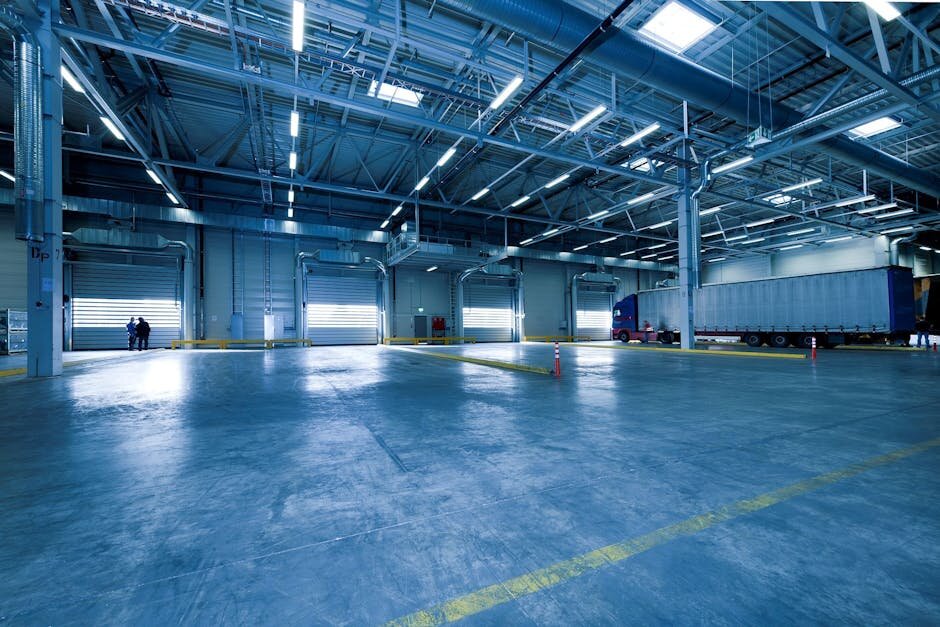
Industrial floors take a beating that no domestic or commercial floor ever experiences. Forklift traffic weighing several tonnes, oil and chemical spills, food residue, metal swarf, constant foot traffic in safety boots, and exposure to temperature extremes all combine to create floors that standard cleaning methods cannot address. An industrial floor that is not properly maintained becomes a slip hazard, a compliance liability, and a visual indicator of poor management.
Optus Glean provides specialist industrial floor cleaning services across all 26 counties of Ireland. We clean warehouse floors, factory production floors, loading bays, cold stores, food processing areas, and any industrial floor surface using ride-on scrubber-dryers, walk-behind scrubbers, industrial sweepers, hot water pressure washers, and specialist degreasing systems. Whether you need routine weekly floor scrubbing or a one-off deep clean and restoration, we have the equipment, the chemicals, and the expertise to deliver results.
Types of Industrial Floors We Clean
Different floor types require different cleaning approaches. Using the wrong chemical on the wrong floor causes damage, discolouration, or reduced lifespan. Optus Glean cleans every type of industrial flooring found in Irish warehouses, factories, and production facilities.
Power-Floated and Polished Concrete
The most common industrial floor in Ireland. Power-floated concrete is durable and cost-effective but porous, meaning it absorbs oil, grease, and staining agents if not sealed. Cleaning involves pre-sweeping to remove loose debris, machine scrubbing with alkaline or neutral detergent depending on contamination type, and thorough extraction of dirty water. For polished concrete, we use pH-neutral cleaners to avoid etching the polished surface and damaging the sheen. Regular scrubbing with a ride-on machine maintains both cleanliness and the floor's appearance.
Epoxy-Coated Floors
Epoxy floors are common in food processing, pharmaceutical, and cleanroom-adjacent environments because they are seamless, non-porous, and easy to sanitise. Cleaning requires careful chemical selection — harsh alkaline degreasers can degrade epoxy coatings over time. We use compatible neutral or mildly alkaline detergents, soft-bristle brush attachments on scrubber-dryers, and avoid abrasive pads that would scratch and dull the coating. For food environments, we use HACCP-approved sanitisers that are safe for epoxy surfaces.
Polyurethane Resin Floors
Resin floors are found in food factories, breweries, and facilities where chemical resistance and thermal shock resistance are required. Polyurethane resin is tough but can be damaged by the wrong cleaning chemicals. We use manufacturer-recommended cleaning agents, appropriate scrubbing pressure, and ensure all residue is fully extracted to prevent build-up that dulls the surface. Regular maintenance cleaning extends the life of resin floors significantly.
Vinyl and Safety Flooring
Vinyl safety flooring is common in welfare areas, changing rooms, canteens, and laboratory environments within industrial facilities. These floors have textured surfaces designed to provide grip when wet, but the texture traps dirt and requires more aggressive scrubbing to clean effectively. We use rotary scrubbing machines with appropriate pads and hot water extraction to clean deep into the texture without damaging the floor surface.
Quarry Tiles
Found in many food factories, commercial kitchens, and older industrial facilities. Quarry tiles are extremely durable but the grout lines between tiles trap grease, food debris, and bacteria. Effective cleaning requires chemical degreasing followed by machine scrubbing with stiff-bristle brushes that penetrate the grout lines. We also provide grout sealing after deep cleaning to reduce future contamination absorption.
Painted Concrete
Some industrial floors have painted line markings, safety zones, or full-surface paint coatings. Cleaning painted concrete requires careful attention to avoid removing the paint — high-pressure washing at close range and aggressive chemical degreasers can strip paint from the surface. We adjust our equipment settings and chemical selection to clean the floor without damaging the painted finish. Where paint has deteriorated, we can prepare the surface for repainting by removing loose and flaking paint.
Industrial Floor Cleaning Methods
Ride-On Scrubber-Dryer Cleaning
The ride-on scrubber-dryer is the workhorse of industrial floor cleaning. An operator sits on the machine and drives it across the floor at walking speed. The machine simultaneously dispenses cleaning solution through jets, scrubs the floor with rotating pads or cylindrical brushes, and vacuums up the dirty solution through a rear squeegee, leaving the floor clean and dry in a single pass.
Our ride-on machines clean 3,000 to 5,000 square metres per hour. A 10,000m² warehouse floor can be scrubbed in 2 to 3 hours. A 2,000m² factory production floor can be cleaned in under an hour. The floor is dry enough to walk or drive on within seconds of the machine passing, meaning operations can continue almost immediately behind the cleaning zone.
Ride-on scrubbers are suitable for concrete, epoxy, resin, vinyl, and tile floors. We select the appropriate pad type (soft for coated floors, medium for concrete, aggressive for heavily soiled surfaces) and chemical concentration for each floor type and contamination level.
Walk-Behind Scrubber-Dryer Cleaning
Walk-behind scrubbers perform the same scrub-and-dry function as ride-on machines but are smaller and more manoeuvrable. They are used for narrow aisles between racking, areas around fixed machinery, smaller rooms, and spaces where ride-on machines cannot access. In most facilities, we use a combination of ride-on machines for the main floor areas and walk-behind machines for the tight spaces, ensuring complete coverage.
Hot Water Pressure Washing
For loading bays, external yards, dock areas, and heavily soiled surfaces where scrubber-dryers cannot operate effectively. Our industrial pressure washers operate at up to 250 bar with water temperatures up to 90°C. Hot water is critical for effective degreasing — it breaks the bond between oil and the floor surface far more effectively than cold water. Pressure washing is also used for cleaning external concrete, paving, and tarmac areas around industrial facilities.
Chemical Degreasing
Oil and grease contamination on industrial floors is one of the most common and persistent cleaning challenges. Standard cleaning simply moves oil around; effective degreasing requires the right combination of chemistry, dwell time, agitation, and extraction.
We use alkaline degreasers for mineral oil, hydraulic fluid, and petroleum-based contamination — these break down the molecular structure of the oil and lift it from the floor surface. Enzyme-based cleaners are used for food fats, vegetable oils, and organic residues — the enzymes digest the oil rather than simply emulsifying it, preventing re-deposition. Solvent-based spot treatments are used for stubborn staining that does not respond to water-based chemicals.
The degreaser is applied, allowed to dwell for the manufacturer-specified contact time, then agitated using a scrubber-dryer or rotary machine before the contaminated solution is extracted. For deeply embedded oil in porous concrete, multiple treatment cycles may be required.
Industrial Sweeping
Pre-sweeping is an essential step before scrubbing any industrial floor. Loose debris — dust, grit, packaging fragments, metal swarf, and general litter — must be removed before wet cleaning begins. If debris enters the scrubber-dryer, it can damage scrub pads, block vacuum systems, and scratch floor coatings. We use industrial ride-on sweepers for large open areas and walk-behind sweepers for smaller spaces, collecting all loose material before the scrubbing pass begins.
Equipment We Deploy
Optus Glean invests in commercial-grade floor cleaning equipment because industrial floors cannot be cleaned with domestic or light commercial machines. Our fleet includes:
- Ride-on scrubber-dryers — 3,000–5,000m²/hour, disc and cylindrical models, adjustable scrub pressure
- Walk-behind scrubber-dryers — for aisles, around machinery, and spaces under 1,000m²
- Ride-on sweepers — for pre-sweeping large floor areas before scrubbing
- Walk-behind sweepers — for smaller spaces and perimeter sweeping
- Hot water pressure washers — up to 250 bar, 90°C, for loading bays and external areas
- Industrial vacuum systems — HEPA-filtered for fine dust, standard for general debris
- Rotary scrubbing machines — for spot treatment, grout cleaning, and floor preparation
- Diamond grinding equipment — for concrete preparation, stain removal, and surface levelling
Degreasing and Oil Removal
Oil contamination on industrial floors creates three serious problems: it is a slip hazard that causes injuries, it is a fire risk when combined with dust and heat, and it is a compliance issue under the Safety, Health and Welfare at Work Act 2005. Standard mopping with general-purpose cleaner does not remove industrial oil — it spreads it into a thin film that is even more dangerous.
Our industrial degreasing process removes oil from any floor surface:
- Absorption — fresh oil spills are first absorbed using granular absorbent material to remove bulk liquid
- Chemical application — alkaline or enzyme-based degreaser is applied at the correct dilution rate
- Dwell time — the chemical is left for the specified contact time (typically 5–15 minutes) to penetrate and break down the oil
- Mechanical agitation — the floor is scrubbed using a machine with appropriate pads to lift the emulsified oil
- Extraction — the dirty solution is vacuumed up by the scrubber-dryer, removing the oil from the floor
- Inspection — the floor is checked and the process repeated if contamination remains
- Anti-slip treatment — if required, anti-slip coating is applied to restore safe traction
For chronic oil contamination from machinery, we recommend ongoing weekly degreasing of affected zones combined with oil drip trays and containment measures at the source.
Anti-Slip Floor Treatment
Slip injuries are one of the most common workplace accidents in industrial environments. Under the Safety, Health and Welfare at Work (General Application) Regulations 2007, employers must ensure that floor surfaces are suitable and maintained to prevent slips, trips, and falls.
Optus Glean provides anti-slip floor treatment for smooth industrial floors that become hazardous when wet or contaminated. Our treatments include:
- Chemical etching — acid-based treatment that creates microscopic texture on polished concrete, ceramic tile, and stone floors without changing the visible appearance
- Anti-slip coatings — applied over existing floor surfaces to increase grip, available in clear or pigmented finishes
- Aggregate coatings — resin-based coatings with embedded grit particles for high-traffic and high-risk areas such as loading bay ramps and external steps
- Pendulum testing — we can measure the slip resistance of your floors using the pendulum test method (BS 7976) to determine whether treatment is needed and verify results after treatment
Anti-slip treatment typically lasts 12 to 24 months depending on traffic levels and needs periodic reapplication as part of a floor maintenance programme.
Floor Restoration and Polishing
Industrial floors that have been neglected, heavily stained, or damaged by years of use can often be restored rather than replaced. Floor restoration is significantly cheaper than laying new flooring and causes far less disruption to operations.
Our floor restoration services include:
- Concrete grinding and polishing — diamond grinding to remove surface damage, staining, and imperfections, followed by progressive polishing to restore a smooth, sealed finish
- Deep stain removal — specialist chemical treatments for oil stains, rust stains, tyre marks, and chemical discolouration that standard cleaning cannot remove
- Paint and adhesive removal — diamond grinding or chemical stripping to remove old paint, line markings, adhesive residue, and surface coatings in preparation for new finishes
- Surface preparation for recoating — mechanical preparation (shot blasting, diamond grinding, scarifying) to create the surface profile required by epoxy, polyurethane, or other coating manufacturers
- Crack and joint repair — filling and sealing cracks, expansion joints, and damaged areas to prevent further deterioration and create a smooth, cleanable surface
After restoration, we recommend a planned maintenance programme of regular machine scrubbing to protect the investment and keep the floor in optimal condition.
Industrial Floor Cleaning Pricing in Ireland
Floor cleaning is priced per square metre for one-off work and per visit or per week for ongoing contracts. Pricing depends on floor type, contamination level, and accessibility.
| Service | Typical Pricing | Notes |
|---|---|---|
| Standard floor scrub (ride-on) | €0.50 – €1.50/m² | Concrete, epoxy, or resin. Light to moderate soiling |
| Floor degreasing | €1.50 – €3.50/m² | Oil/grease removal, chemical treatment + scrub |
| Deep clean and restoration | €3.00 – €8.00/m² | Stripping, deep cleaning, restoration |
| Anti-slip treatment | €2.00 – €5.00/m² | Chemical etching or coating application |
| Concrete polishing | €5.00 – €12.00/m² | Diamond grinding + progressive polishing |
| Loading bay pressure wash | €150 – €400/bay | Hot water, degreasing included |
| Weekly contract (warehouse) | From €300/week | Depends on floor area and soiling level |
All pricing is exclusive of VAT at 13.5%. Volume discounts apply to large floor areas and ongoing contracts. Optus Glean provides fixed-price quotations after a free site assessment.
Industries We Serve
Our industrial floor cleaning service covers every sector where large floor areas require professional maintenance:
- Warehouses and distribution centres
- Factories and manufacturing plants
- Food processing facilities
- Pharmaceutical production sites
- Engineering workshops and machine shops
- Vehicle workshops and garages
- Cold stores and chilled warehouses
- Retail stockrooms and back-of-house areas
- Car parks (multi-storey and underground)
- Exhibition and event venues
Frequently Asked Questions About Industrial Floor Cleaning
How much does industrial floor cleaning cost in Ireland?
Industrial floor cleaning costs between €0.50 and €2.00/m² for standard scrubbing, €1.50 to €3.50/m² for degreasing, and €3.00 to €8.00/m² for deep cleaning and restoration. Weekly contracts start from €300/week depending on floor area and soiling. All pricing excludes VAT. Optus Glean provides fixed-price quotes after a free site assessment.
What types of industrial floors can you clean?
We clean power-floated concrete, polished concrete, epoxy-coated floors, polyurethane resin, vinyl safety flooring, painted concrete, quarry tiles, anti-static flooring, and acid-resistant flooring. Each floor type is cleaned with specific chemicals and equipment settings to avoid damage and achieve optimal results.
What is a ride-on scrubber-dryer?
A ride-on scrubber-dryer is an industrial machine the operator drives across the floor. It dispenses cleaning solution, scrubs with rotating pads or brushes, and vacuums up dirty water in a single pass, leaving the floor clean and dry. Our machines cover 3,000–5,000m²/hour, making them essential for large industrial floors.
How do you remove oil from industrial floors?
Oil removal uses a multi-step process: absorption of bulk liquid, chemical degreaser application with correct dwell time, mechanical scrubbing to lift the emulsified oil, and extraction of the contaminated solution. For deeply embedded oil in porous concrete, multiple cycles may be needed. Anti-slip treatment can be applied afterwards to restore safe traction.
How often should warehouse floors be cleaned?
Most warehouse floors need weekly or fortnightly scrubbing. Food storage warehouses typically require weekly cleaning for HACCP compliance. High-traffic areas around loading bays may need more frequent attention. Warehouses with oil contamination may need weekly degreasing in traffic lanes. We recommend an optimal schedule during the initial site assessment.
Can you clean floors without shutting down operations?
Yes. Ride-on scrubber-dryers leave floors dry within seconds, so areas can be walked or driven on almost immediately. We work in zones, cleaning one section while operations continue elsewhere. Forklift traffic is managed with temporary barriers or coordination with your logistics team. Most routine cleaning causes zero operational downtime.
What is anti-slip floor treatment?
Anti-slip treatment increases the coefficient of friction on smooth floors. We use chemical etching (creates microscopic texture without changing appearance), anti-slip coatings (clear or pigmented), and aggregate coatings (resin with grit for high-risk areas). Treatment lasts 12–24 months depending on traffic levels and can be verified using pendulum testing (BS 7976).
Do you offer floor restoration for damaged floors?
Yes. We offer concrete grinding and polishing, deep stain removal, paint and adhesive removal, surface preparation for recoating, and crack and joint repair. Floor restoration is significantly cheaper and less disruptive than replacement. After restoration, we recommend a planned maintenance programme to protect the investment.
How Optus Glean handles staff shortages
Every Optus Glean contract is staffed on a redundancy model rather than a single-person model. A named primary cleaner is assigned to the site at contract start. A named relief is assigned alongside them. Both are PAYE-employed by Optus Glean, both are Garda-vetted, both are inducted on the site's specific layout, access protocols, and colour-coded equipment system, and both are trained to the same documented HIQA-aligned IPC standard. Substitution is built into the contract from the first day, not arranged on the day cover is needed.
Sick day cover. When the primary cleaner is unable to work, the named relief is deployed. The site site contact is notified by 06:30 on the morning of the absence by SMS or email, with the name of the relief who is attending. The relief follows the same task list, uses the same equipment, and finishes within the same window. The standard of clean is unchanged because the relief was prepared for this scenario before the absence happened.
Annual leave cover. Annual leave is rostered weeks in advance and the relief is scheduled to cover the full leave period. The site is informed at the start of the leave period — not on the morning leave begins. This is the same model used in clinical rota management: known absences are pre-staffed, not improvised.
Long-term cover. If the primary cleaner is absent for more than two weeks (extended illness, parental leave, bereavement leave), cover is drawn from the wider trained bench rather than relying on the single named relief. The site is kept informed of the cover plan, the named individuals involved, and the expected duration. Continuity of standard is maintained because every operative on the bench is trained to the same documented standard.
Permanent reassignment. If the primary cleaner moves to a new permanent role within Optus Glean — promotion, relocation, retirement — the relief is promoted to primary on a planned timetable, a new relief is trained on the site, and both are introduced to the site before the handover takes effect. There is no day on which the site discovers, after the fact, that their cleaner has changed.
Substitution is Optus Glean's operational problem, not the site's risk to absorb. The buyer pays a fixed monthly fee for a defined scope to be delivered, every day it is meant to be delivered. The mechanism by which we deliver it — primary, relief, bench, retraining — is our cost to manage and our risk to carry.
Last reviewed: 2026-05-06