The Optus Glean promise: predictability
Three pillars. Three commitments. No exceptions.
Predictable cost. One fixed monthly fee, set against a defined scope and an annual indexed review. No variable hours. No surprise invoices. No padded callout charges. Budgeted once, paid by Direct Debit, reviewed once a year.
Predictable presence. The site is cleaned every day it is meant to be cleaned. A named primary cleaner is rostered to your contract, supported by a named relief who is already vetted, inducted, and trained on the same colour-coded system and IPC standard. The schedule does not depend on whether one person is available on one day.
Predictable freedom. A single point of accountability. One contract. One named manager. One number to call. Cleaning is no longer a problem the site has to manage — it is a service that runs.
Why cleaning in Ireland is structurally hard to get right
Most cleaning provision in Ireland — including in healthcare-adjacent settings — is delivered by a workforce that is structurally part-time and casual. A significant proportion of operatives across the sector also work as healthcare assistants in nursing homes, residential care, and acute hospitals. Cleaning shifts are typically taken when healthcare shifts are not available, and released when they are. This pattern is consistent with CSO labour data on accommodation, food, and administrative-support employment, and it is the underlying reason that buyers across Ireland encounter inconsistency from agencies they have contracted in good faith.
The pattern is reinforced by two background pressures specific to Ireland. Housing affordability limits the catchment for any role paying at or near the minimum wage. The Contract Cleaning Employment Regulation Order rate of €14.80 per hour for 2026, set under the Labour Court's sectoral employment framework, sits close enough to flexible care-sector pay that operatives drift toward whichever shift pays slightly more on the day. Both pressures pull cleaning staff away from contracted shifts and toward casual healthcare work.
The result, from the buyer's perspective, is the experience most practice managers, facilities leads, and procurement officers in Ireland describe: a clean that is half-completed when the contracted cleaner is available, missed entirely when they are not, and accompanied by recurring conversations with the agency about cover that may or may not arrive.
This is the structural problem Optus Glean is built to solve. Our operatives are fully PAYE-employed with guaranteed weekly hours, paid leave, and pension contributions under Irish auto-enrolment. They are paid above the ERO floor deliberately — because the structural reliability of the service depends on the cleaner choosing to remain in the role rather than rotating through casual healthcare shifts. A named primary cleaner is assigned to your site, supported by a named relief, both Garda-vetted and trained to Optus Glean's documented HIQA-aligned IPC standard.
Commercial Pressure Washing Across Ireland
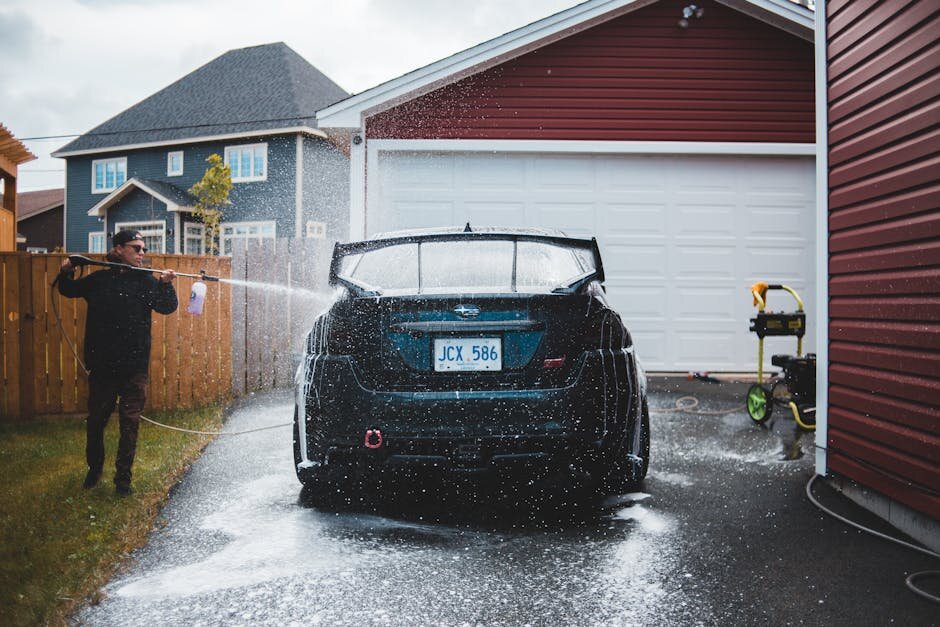
Ireland's climate is a breeding ground for moss, algae, lichen, and organic growth. The combination of frequent rainfall, mild temperatures, and limited sunshine means that external surfaces deteriorate faster here than in most European countries. Car parks turn green within months. Forecourts accumulate oil stains and tyre marks. Building facades develop unsightly black streaks from atmospheric pollution. Cobblelock driveways become overrun with weeds and moss between the joints.
Optus Glean provides commercial pressure washing and soft washing services to businesses, property managers, local authorities, and facilities management companies across all 26 counties of Ireland. We clean every external surface — car parks, forecourts, loading bays, building facades, roofs, walkways, bin stores, fire escapes, and signage — using the right method, pressure, and cleaning solution for each surface type.
This is not a man with a pressure washer and a van. Optus Glean is a facilities management company that integrates pressure washing into broader cleaning and maintenance contracts. We carry €6.5 million in public liability insurance, €13 million in employer's liability cover, and every operative is Garda vetted and trained in equipment operation, chemical handling, and site safety.
Soft Washing vs Pressure Washing: Which Do You Need?
Understanding the difference between soft washing and pressure washing is critical to getting the right result without damaging your property. Using the wrong method is the most common cause of damage in external cleaning.
Pressure Washing (High Pressure)
Pressure washing uses water at high pressure — typically 2,000 to 4,000 PSI — to blast away dirt, grime, moss, and staining through mechanical force. It is effective on hard, durable surfaces that can withstand the pressure without damage.
Suitable surfaces: concrete, tarmac, cobblelock, natural stone paving, block paving, metal surfaces, industrial floors, loading bays, car parks.
Not suitable for: roof tiles, render, painted surfaces, timber decking, soft stone, brickwork with lime mortar, UPVC cladding.
Soft Washing (Low Pressure + Biocide)
Soft washing uses water at low pressure (below 500 PSI) combined with specialist biodegradable cleaning solutions. The chemical does the work, not the pressure. Biocidal solutions kill moss, algae, lichen, and mildew at the root, preventing regrowth for 12 to 18 months. The low pressure rinses away the dead organic matter without damaging the surface.
Suitable surfaces: roof tiles (concrete and slate), render (pebbledash, silicone, lime), painted walls, timber, UPVC fascia and cladding, delicate stonework, glass.
Why it matters: High-pressure washing on a roof strips the surface coating from tiles, forces water under tiles causing leaks, and can crack or dislodge tiles. Optus Glean always uses soft wash on roofs and renders. No exceptions.
Method Selection Guide
| Surface | Recommended Method | Why |
|---|---|---|
| Concrete car park | Pressure wash | Hard surface, needs force for oil/tyre marks |
| Cobblelock paving | Pressure wash (rotary) | Rotary cleaner prevents joint sand displacement |
| Tarmac | Pressure wash (moderate) | Excess pressure can erode tarmac surface |
| Roof tiles | Soft wash only | Pressure damages tiles and forces water ingress |
| Rendered walls | Soft wash only | Pressure damages render and mortar joints |
| Natural stone | Soft wash or low pressure | Stone is porous; excessive pressure erodes surface |
| UPVC fascia/cladding | Soft wash | Low pressure prevents warping and cracking |
| Building facade (brick) | Soft wash or DOFF steam | Protects mortar joints and masonry |
Commercial Applications
Optus Glean focuses on commercial and institutional pressure washing. We clean the spaces that commercial property owners, facilities managers, and business operators are responsible for.
Car Parks and Multi-Storey Structures
Commercial car parks accumulate oil, diesel, tyre marks, chewing gum, and organic growth. Multi-storey car parks also suffer from water staining, salt damage in winter, and pigeon fouling. Our car park cleaning service includes full pressure washing of all levels, stairwell and lift lobby cleaning, line marking preparation, oil stain removal using hot water and degreasing agents, and chewing gum removal. We work during off-peak hours or overnight to minimise disruption to users.
Forecourts and Petrol Stations
Petrol station forecourts require specialist cleaning due to hydrocarbon contamination. We use hot water pressure washing with approved degreasers and capture all wash water for proper disposal in compliance with environmental regulations. Forecourt cleaning improves safety by removing oil films that cause slip hazards, especially in wet weather.
Loading Bays and Service Yards
Loading bays accumulate grease, oil, food waste, and debris from deliveries. Regular pressure washing maintains hygiene standards (critical for food-related businesses), prevents slip hazards, and reduces pest attraction. We clean loading bays, dock levellers, shutters, and surrounding yard areas.
Building Facades and External Walls
Building facades develop atmospheric staining, algae growth, and pollution deposits that make premises look neglected. Soft washing removes these deposits without damaging the surface. We clean rendered walls, brick facades, stone frontages, and curtain wall systems. For window cleaning combined with facade cleaning, we offer bundled pricing.
Walkways, Paths, and Communal Areas
For apartment block management companies and commercial property managers, we clean communal walkways, entrance paths, bin stores, fire escape routes, and external communal areas. Regular cleaning prevents slip hazards from moss and algae, maintains property values, and keeps communal areas presentable for residents and visitors.
Specialist Treatments
Moss and Algae Removal
Pressure washing alone removes visible moss but does not kill the root system. In Ireland's damp climate, moss regrows within 3 to 6 months. Optus Glean combines pressure washing with a professional-grade biocidal treatment that kills moss and algae at the root and prevents regrowth for 12 to 18 months. The biocide is biodegradable and safe for use near plants, lawns, and drainage systems when applied by trained operatives.
Graffiti Removal
Graffiti on commercial premises damages your brand image and can attract further vandalism if left untreated. Optus Glean removes graffiti from brick, stone, concrete, metal, glass, and UPVC surfaces using specialist chemical removers and pressure washing. Where appropriate, we apply anti-graffiti coatings that allow future graffiti to be removed with a simple wipe, saving significant cost on repeat incidents.
Chewing Gum Removal
Chewing gum is one of the most persistent and unsightly problems for retail forecourts, shopping centres, and public areas. We remove chewing gum using steam lance equipment that heats and lifts each piece of gum without damaging the surface beneath. Large-scale gum removal across shopping centre forecourts is priced per thousand pieces.
Oil and Diesel Stain Removal
Oil and diesel stains on car parks, forecourts, and workshop floors require hot water pressure washing combined with specialist degreasers. Cold water alone does not break down hydrocarbon deposits. Our hot water equipment operates at up to 150°C, dissolving oil and grease on contact. For long-standing or deeply penetrated oil stains, we apply a poultice treatment that draws the oil out of the concrete over 24 to 48 hours.
Pricing Guide for Commercial Pressure Washing
| Service | Price per m² | Notes |
|---|---|---|
| Concrete / tarmac wash | €1.50 – €2.50 | Car parks, yards, paths |
| Cobblelock / block paving | €2.00 – €3.50 | Includes re-sanding joints |
| Natural stone paving | €2.50 – €4.00 | Adjusted pressure for stone type |
| Soft wash (render / roof) | €3.00 – €6.00 | Includes biocide treatment |
| Building facade | €3.00 – €5.00 | Brick, stone, cladding |
| Oil stain removal | €4.00 – €8.00 | Hot water + degreaser |
| Graffiti removal | €15 – €40 per m² | Depends on surface and paint type |
| Chewing gum removal | €0.15 – €0.30 per piece | Volume pricing for 1,000+ pieces |
| Biocide treatment (moss prevention) | €1.00 – €2.00 | 12–18 month protection |
Minimum call-out charge: €150–€250 for projects under 50m². All prices exclusive of VAT. Volume discounts available for areas over 1,000m² and for contract clients combining pressure washing with cleaning, window cleaning, or washroom services.
Environmental Compliance
Commercial pressure washing generates waste water that may contain oil, chemicals, detergents, and biological matter. Allowing contaminated wash water to enter storm drains is an offence under the Water Pollution Acts 1977–1990 and the Water Framework Directive as transposed into Irish law.
Optus Glean manages waste water responsibly on every project:
- Wash water is captured using berms, dams, or vacuum recovery systems
- Captured water is disposed of through the foul drainage system (not storm drains) where permitted
- For sensitive sites, we arrange licensed waste water collection and disposal
- All cleaning chemicals are biodegradable and compliant with environmental regulations
- We maintain waste transfer documentation for audit purposes
Environmental compliance is not optional. It is part of the Optus Glean standard for every pressure washing project.
Planned Maintenance Programmes
One-off pressure washing makes a dramatic difference, but the results are temporary in Ireland's climate. Within 3 to 6 months, moss and algae begin to return, oil stains reappear, and surfaces lose their clean appearance. A planned maintenance programme keeps your premises consistently clean and presentable year-round.
A typical commercial pressure washing maintenance programme includes:
- Spring — Full site pressure wash after winter: car parks, paths, entrance areas, bin stores
- Summer — Facade and roof soft wash (optimal weather conditions for biocide treatment)
- Autumn — Moss and leaf removal from paths, car parks, and gutters
- Winter — Targeted cleaning of entrance areas and high-traffic zones
Annual maintenance contracts are priced at 60–70% of the equivalent one-off cost, and you receive priority scheduling and consistent service quality throughout the year.
Part of a Broader Facilities Service
Pressure washing is one element of Optus Glean's integrated facilities management offering. Unlike standalone pressure washing operators, we combine external cleaning with contract cleaning, window cleaning, carpet and floor care, washroom services, and laundry services. One provider, one invoice, one point of contact for all your facility cleaning needs.
Frequently Asked Questions About Pressure Washing
How much does pressure washing cost in Ireland?
Pressure washing in Ireland costs between €1.50 and €4.00 per square metre for commercial projects in 2026. Small projects under 50m² attract a minimum call-out charge of €150 to €250. A 500m² car park would cost approximately €750 to €2,000 depending on condition and surface type. Soft washing for roofs and renders costs €3.00 to €6.00 per m². Optus Glean provides free site surveys and fixed-price quotations.
How much does power washing a driveway cost in Ireland?
Power washing a commercial driveway or entrance costs between €2.00 and €4.00 per square metre. A 100m² cobblelock driveway would typically cost €200 to €400. Heavily soiled or moss-covered surfaces cost more. Re-sanding of cobblelock joints after washing adds €0.50 to €1.00 per m². Biocide treatment for long-term moss prevention adds €1.00 to €2.00 per m².
What is the difference between pressure washing and power washing?
The terms are often used interchangeably in Ireland. Technically, power washing uses heated water while pressure washing uses unheated water at high pressure. Heated water is more effective at removing oil, grease, and organic matter. In practice, most professional operators use both hot and cold water equipment and select the right approach for each surface and soiling type. Optus Glean uses commercial-grade hot and cold water units.
What is soft washing vs pressure washing?
Soft washing uses low pressure (below 500 PSI) with biodegradable cleaning solutions to remove moss, algae, and organic growth. Pressure washing uses high pressure (2,000–4,000 PSI) and relies on mechanical force. Soft washing is essential for delicate surfaces like roof tiles, render, and painted walls. Pressure washing is suitable for hard surfaces like concrete, tarmac, and cobblelock. Using the wrong method causes surface damage.
Is soft washing better than pressure washing for roofs?
Yes. Soft washing is always the correct method for roofs. High-pressure washing damages tiles, strips protective coatings, forces water under tiles causing leaks, and can void manufacturer warranties. Soft washing uses low pressure and biocidal solutions that kill moss and algae at the root. The biocide continues working for 12 to 18 months, preventing regrowth. Optus Glean exclusively uses soft wash methods on roofs.
How much does power washing cost per square metre in Ireland?
Power washing costs €1.50 to €4.00 per square metre for commercial projects. Concrete and tarmac: €1.50–€2.50/m². Cobblelock and paving: €2.00–€3.50/m². Building facades: €3.00–€5.00/m². Roof soft wash: €3.00–€6.00/m². Volume discounts apply for areas over 1,000m². All prices exclude VAT.
Does pressure washing damage surfaces?
Pressure washing can damage surfaces if the wrong pressure, nozzle, or technique is used. Common damage includes etching of concrete, displacement of mortar joints, stripping of paint, and forcing water into structures. Professional operators match pressure, temperature, nozzle pattern, and chemical to each surface type. Delicate surfaces are always soft washed. Optus Glean conducts a surface assessment before every project to ensure the correct method is used.
Can you pressure wash cobblelock?
Yes. Cobblelock can be pressure washed using a rotary surface cleaner rather than a direct lance. The rotary cleaner provides even pressure across the surface without displacing joint sand. After washing, all joints are re-sanded with kiln-dried sand to restore stability and prevent weed regrowth. Optus Glean always re-sands cobblelock after washing as standard.
Does pressure washing remove moss permanently?
Pressure washing removes visible moss but does not kill the root system. Without treatment, moss regrows within 3 to 6 months in Ireland's climate. For lasting results, Optus Glean combines pressure washing with a biocidal treatment that kills moss at the root and prevents regrowth for 12 to 18 months. Annual maintenance programmes are the most cost-effective way to keep surfaces moss-free year-round.
How Optus Glean handles staff shortages
Every Optus Glean contract is staffed on a redundancy model rather than a single-person model. A named primary cleaner is assigned to the site at contract start. A named relief is assigned alongside them. Both are PAYE-employed by Optus Glean, both are Garda-vetted, both are inducted on the site's specific layout, access protocols, and colour-coded equipment system, and both are trained to the same documented HIQA-aligned IPC standard. Substitution is built into the contract from the first day, not arranged on the day cover is needed.
Sick day cover. When the primary cleaner is unable to work, the named relief is deployed. The site site contact is notified by 06:30 on the morning of the absence by SMS or email, with the name of the relief who is attending. The relief follows the same task list, uses the same equipment, and finishes within the same window. The standard of clean is unchanged because the relief was prepared for this scenario before the absence happened.
Annual leave cover. Annual leave is rostered weeks in advance and the relief is scheduled to cover the full leave period. The site is informed at the start of the leave period — not on the morning leave begins. This is the same model used in clinical rota management: known absences are pre-staffed, not improvised.
Long-term cover. If the primary cleaner is absent for more than two weeks (extended illness, parental leave, bereavement leave), cover is drawn from the wider trained bench rather than relying on the single named relief. The site is kept informed of the cover plan, the named individuals involved, and the expected duration. Continuity of standard is maintained because every operative on the bench is trained to the same documented standard.
Permanent reassignment. If the primary cleaner moves to a new permanent role within Optus Glean — promotion, relocation, retirement — the relief is promoted to primary on a planned timetable, a new relief is trained on the site, and both are introduced to the site before the handover takes effect. There is no day on which the site discovers, after the fact, that their cleaner has changed.
Substitution is Optus Glean's operational problem, not the site's risk to absorb. The buyer pays a fixed monthly fee for a defined scope to be delivered, every day it is meant to be delivered. The mechanism by which we deliver it — primary, relief, bench, retraining — is our cost to manage and our risk to carry.
Last reviewed: 2026-05-06